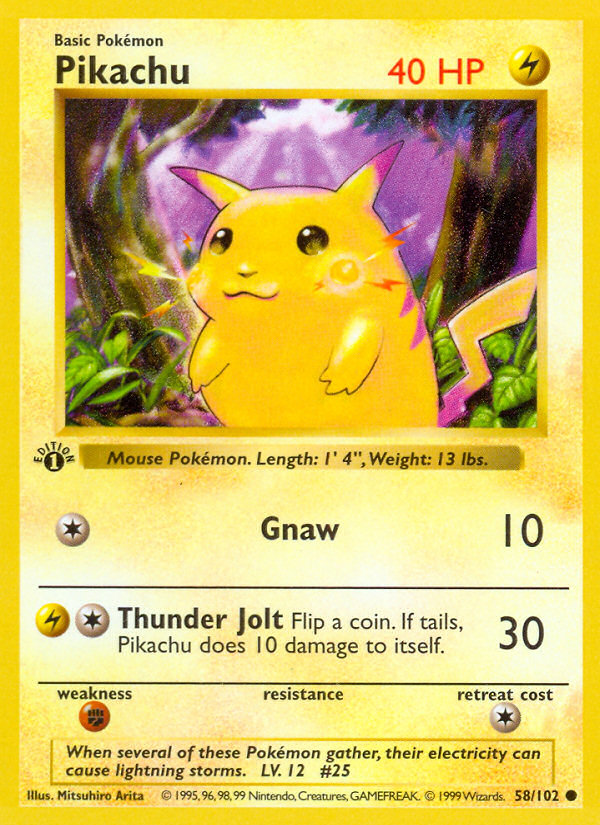
Four places to look first
Inspect both sides under clear, even lighting. A straight-on photo shows the whole card; an angled photo can reveal surface marks that disappear in a scan.
- Corners: look for whitening, bends, or softened tips.
- Edges: check for chips, whitening, and uneven wear.
- Surface: check for scratches, dents, creases, and print lines.
- Centering: compare the borders on both sides; a visual estimate is not a grade.
Raw condition and a grade are different
A raw card has a described condition. A graded card has an assessment from a named grading company. The company, grade, and certification number belong together; a condition label alone is not a grading certificate.
- Read the grading company and grade, not just the number.
- Compare the certification details with the slab and the company’s own records where available.
- Inspect the slab too: damage to the case is a separate consideration.
Be specific when describing wear
“Looks good” is less useful than “small white mark on the lower-left back corner.” Precise descriptions and clear photos give the next collector something they can assess.
- Photograph the full card before adding close-ups of individual marks.
- Keep photos unfiltered and avoid glare that hides the surface.
- Mention visible defects even when they seem minor.
Protect it between trades
Handle cards with clean, dry hands and avoid touching the face. A suitable sleeve and rigid protection help prevent new wear. Follow the specific packing instructions shown for your trade when shipping.
- Keep adhesive away from the card and sleeve opening.
- Store away from moisture, heat, and direct sunlight.
- Keep the card secure without bending or compressing it.
Ready for the next step?
Explore the marketplace